Code P0137: full description, causes, and solutions
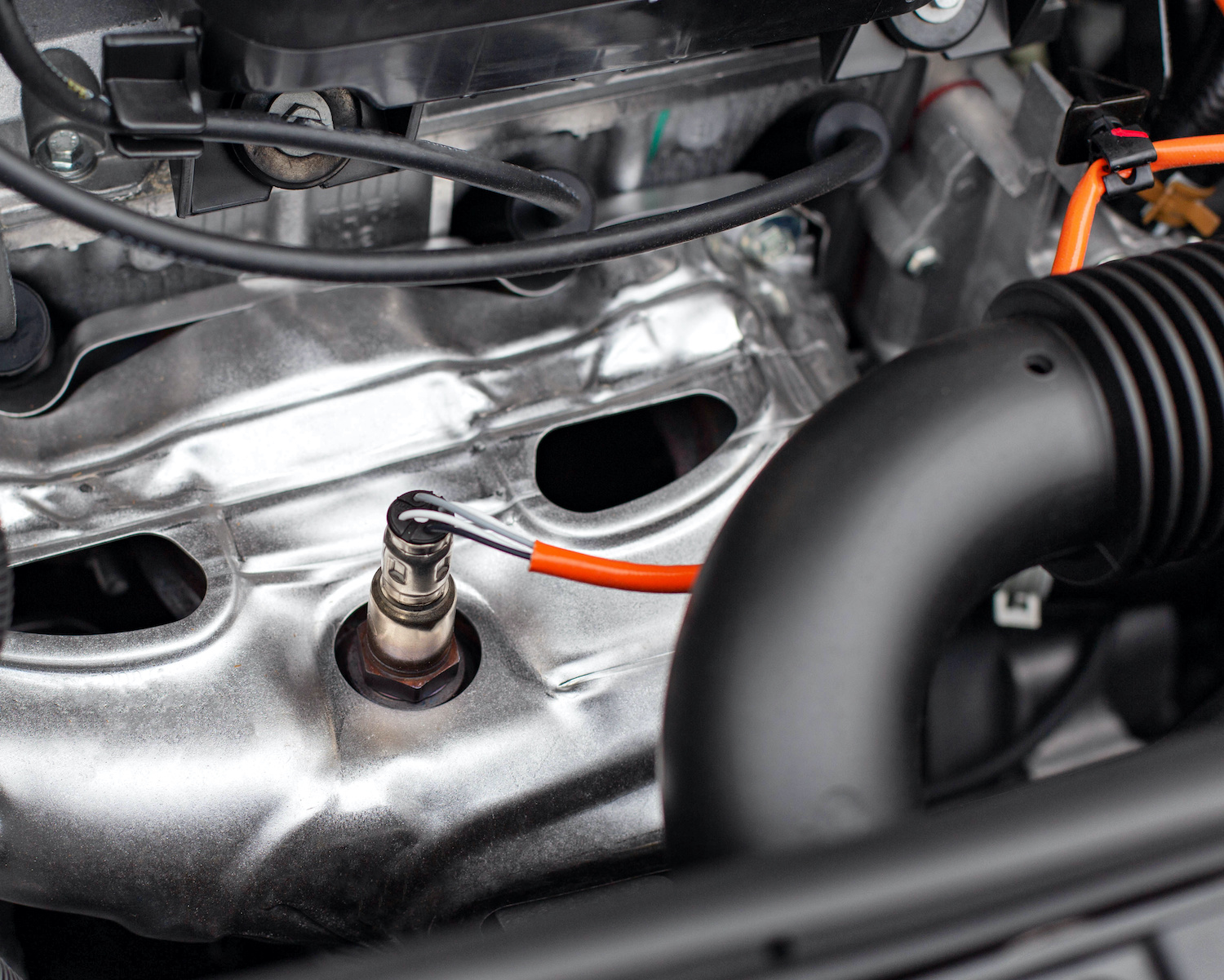
The information provided is general and does not replace professional consultation. Code P0137 is one of the most common OBD-II codes indicating low voltage in the rear oxygen sensor circuit…

Understand the car, don't just erase mistakes.
The information provided is general and does not replace professional consultation. Code P0137 is one of the most common OBD-II codes indicating low voltage in the rear oxygen sensor circuit…
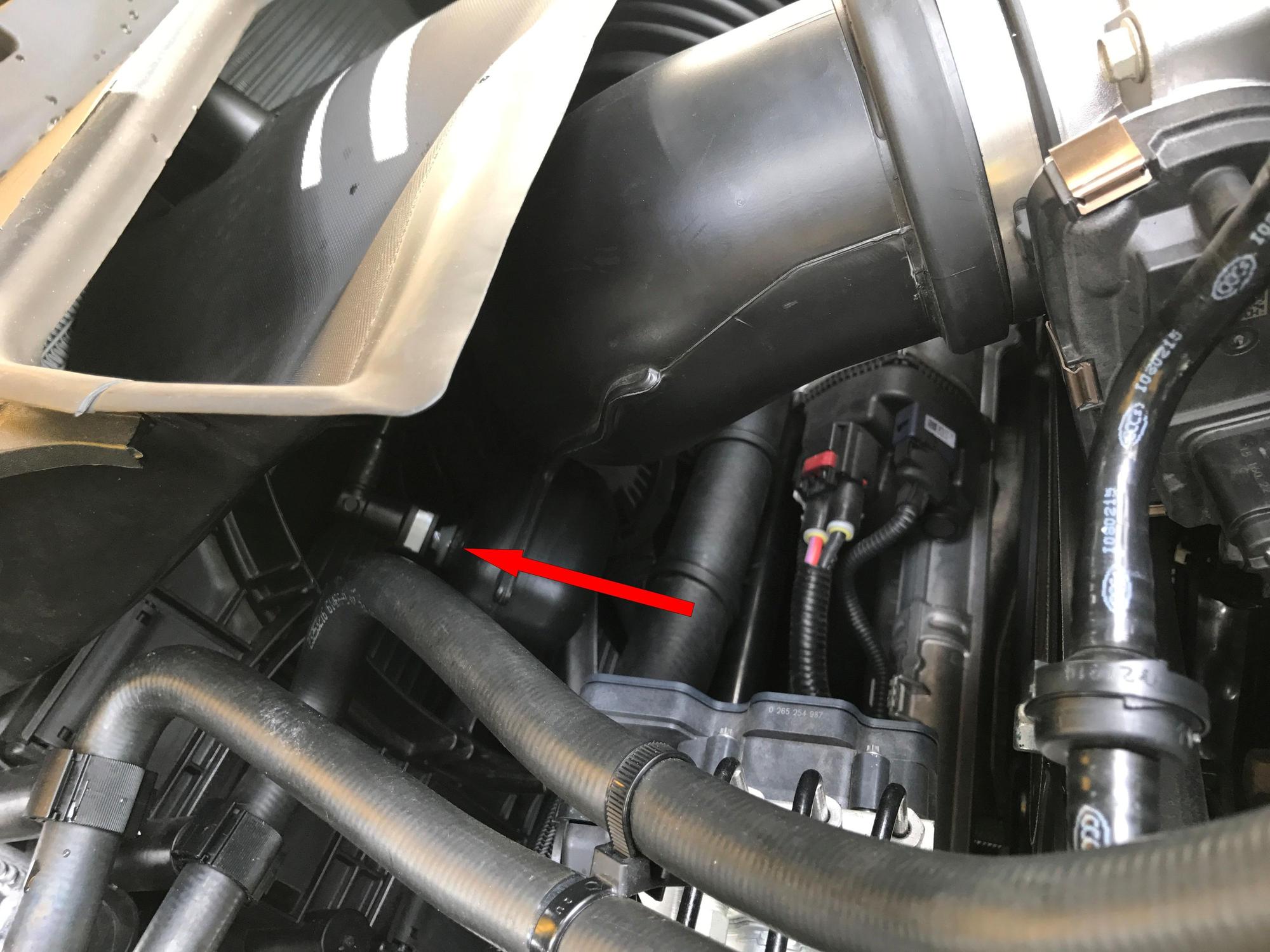
Code P0135 is a diagnostic indicator that the oxygen sensor heater circuit for Bank 1 Sensor 1 is not functioning as expected by the PCM. The sensor located before the…
Code P0106 indicates an incorrect signal from the manifold absolute pressure (MAP/BARO) sensor, affecting fuel calculation and engine operation. Below is a quick overview, step-by-step diagnostics, and solutions from simple…
Code P0174 is a signal from the PCM indicating that the air-fuel mixture has become too lean on bank 2. Simply put, the engine is receiving more air than necessary…
“Over years of experience, I have seen hundreds of P0128 cases, and in most instances, the cause is the thermostat stuck in the open position. However, it is crucial to…
The information provided is general and does not replace professional consultation. “Most people see the P0172 code and immediately think of a faulty oxygen sensor or MAF. But in reality,…
Code P0133 indicates a “slow response” from the oxygen sensor (Bank 1, Sensor 1). This impairs fuel mixture control, increases fuel consumption, and can accelerate catalytic converter wear. Below are…
OBD-II code P0113 indicates a “high signal level in the intake air temperature (IAT) sensor circuit.” When the control module detects a voltage above 4.91 V for 0.5 seconds or…
The information is general and does not replace professional consultation. Code P0123 is a diagnostic signal from the PCM indicating that the voltage in the throttle position sensor circuit exceeds…
When the Check Engine light illuminates on the dashboard and the scanner shows code P0130, many immediately think: “oxygen sensor problem.” But this is just the tip of the iceberg.…