Code P0137: full description, causes, and solutions
The information provided is general and does not replace professional consultation. Code P0137 is one of the most common OBD-II codes indicating low voltage in the rear oxygen sensor circuit…
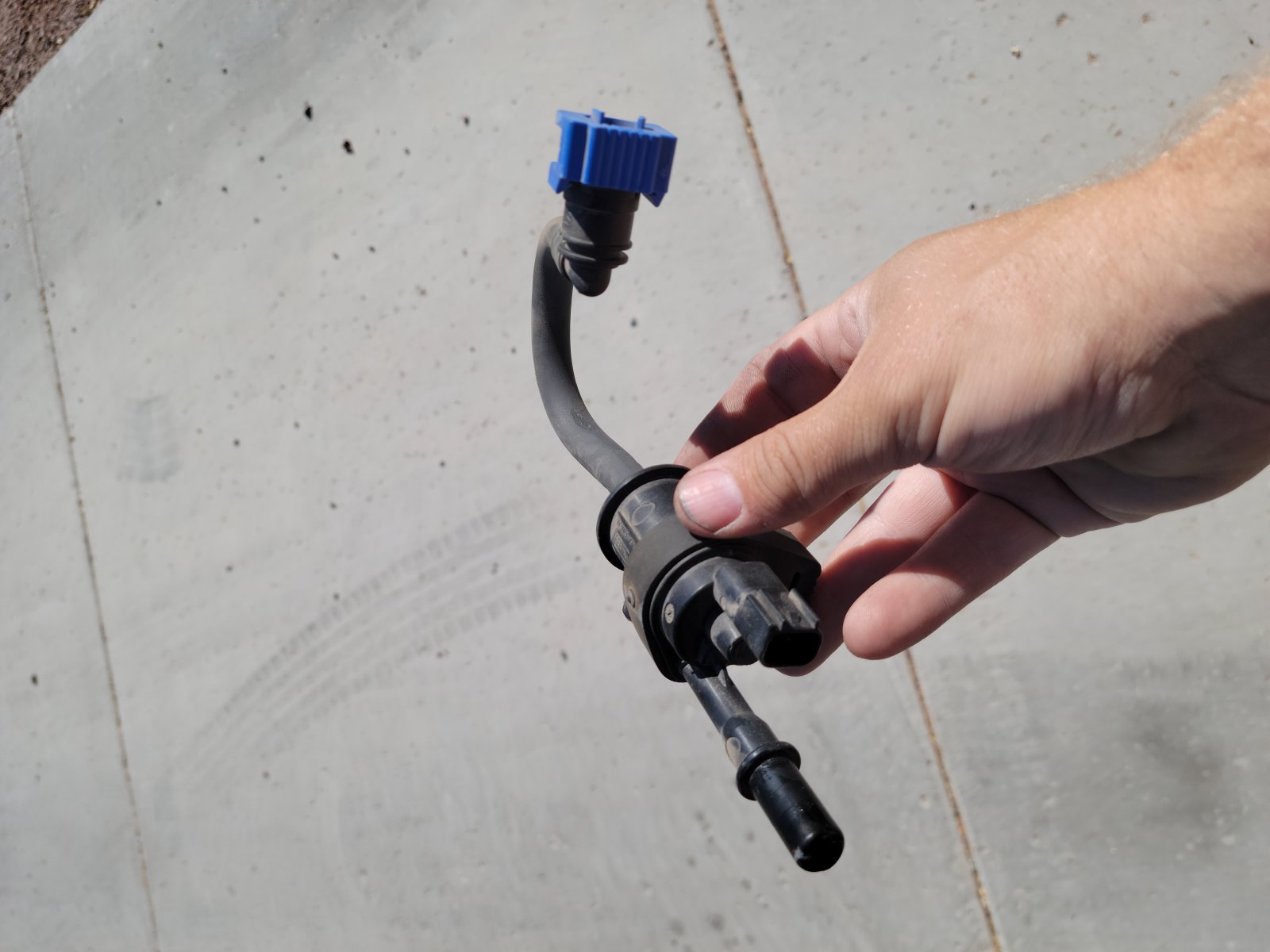
Understand the car, don't just erase mistakes.
The information provided is general and does not replace professional consultation. Code P0137 is one of the most common OBD-II codes indicating low voltage in the rear oxygen sensor circuit…
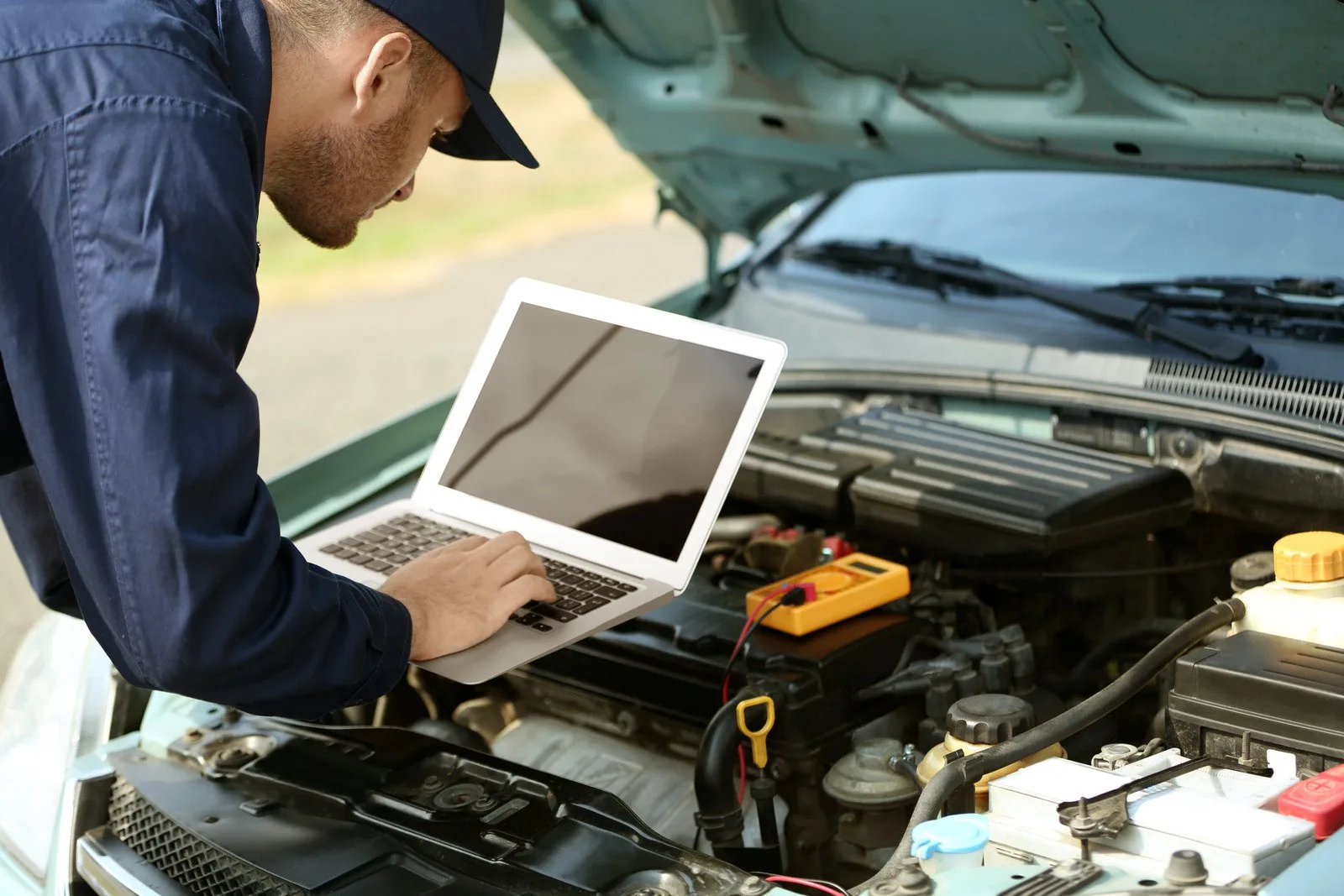
Briefly: P1450 is a diagnostic trouble code (DTC) indicating a problem bleeding vacuum from the fuel tank (EVAP system). It often appears as a check engine light and refueling difficulties…
Code P0135 is a diagnostic indicator that the oxygen sensor heater circuit for Bank 1 Sensor 1 is not functioning as expected by the PCM. The sensor located before the…
Code P0440 is a generic diagnostic trouble code (DTC) indicating a problem in the evaporative emission control system (EVAP). When the engine control module (ECM) registers DTC P0440, it means…
Code P0449 is an OBD-II diagnostic trouble code indicating a fault in the EVAP (Evaporative Emission Control System) vent valve control circuit. The ECM records P0449 when the control signal…
When the Check Engine light illuminates on the dashboard, most car owners feel concerned. Has something broken? Is it safe to keep driving? The P0446 code can be particularly confusing,…
DTC P0442 indicates a small leak in the evaporative emission control system (EVAP), typically equivalent to about 0.04 in. (1 mm). The engine control module (ECM) detects this during a…
Error code P0430 is a diagnostic trouble code (DTC) indicating that the catalytic converter efficiency on bank 2 of the exhaust system has fallen below the acceptable threshold. The official…
“P0455 is not a death sentence for parts but a signal of a loss of system integrity. Most often, the issue is resolved by checking the fuel cap and visually…
In brief: P0456 indicates a very small leak in the evaporative emission control system (EVAP). Most often, the culprit is the gas cap. Start with simple checks, and in most…