Code P0137: full description, causes, and solutions
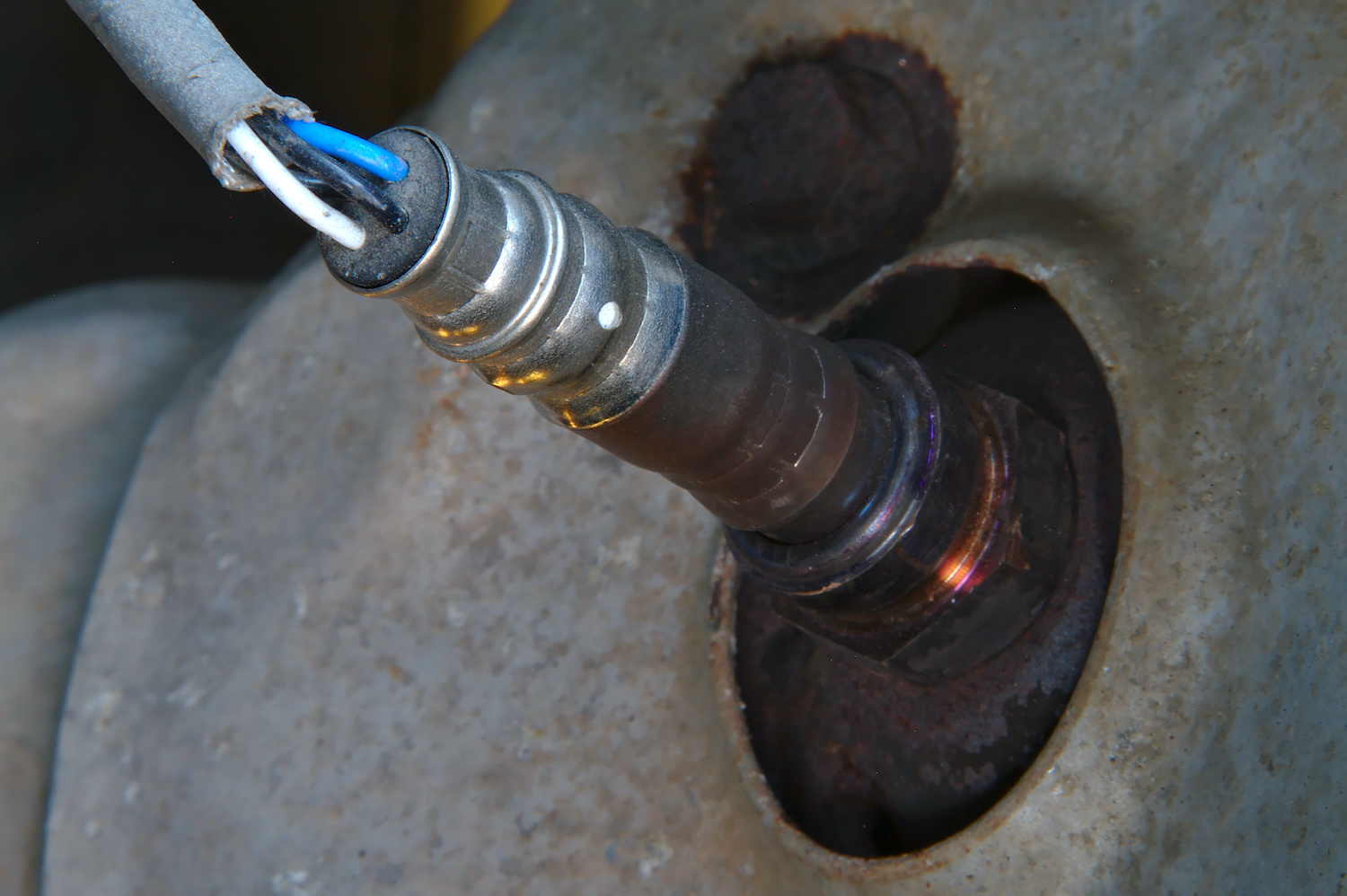
The information provided is general and does not replace professional consultation. Code P0137 is one of the most common OBD-II codes indicating low voltage in the rear oxygen sensor circuit…

Understand the car, don't just erase mistakes.
The information provided is general and does not replace professional consultation. Code P0137 is one of the most common OBD-II codes indicating low voltage in the rear oxygen sensor circuit…
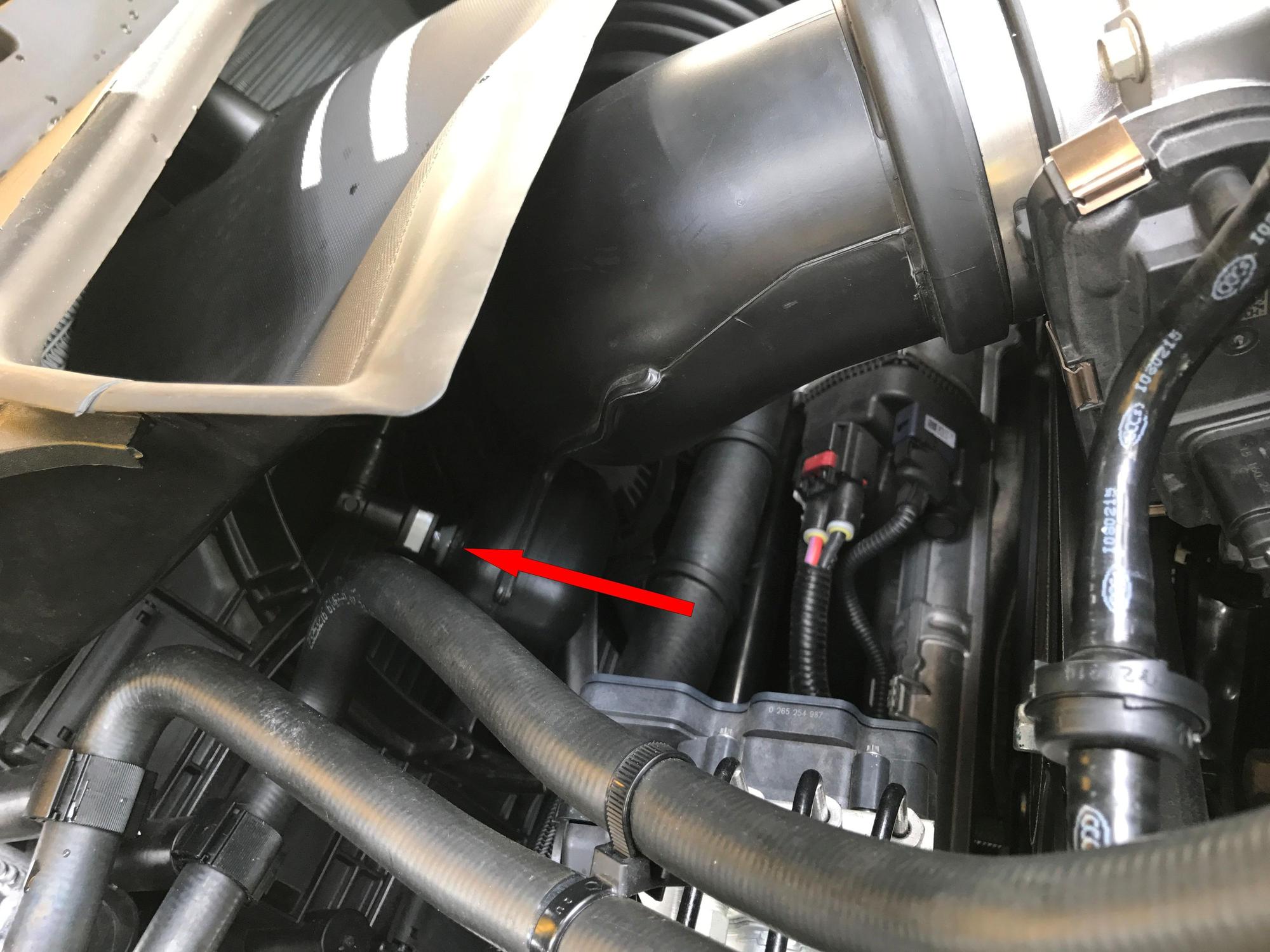
Code P0135 is a diagnostic indicator that the oxygen sensor heater circuit for Bank 1 Sensor 1 is not functioning as expected by the PCM. The sensor located before the…
Code P0106 indicates an incorrect signal from the manifold absolute pressure (MAP/BARO) sensor, affecting fuel calculation and engine operation. Below is a quick overview, step-by-step diagnostics, and solutions from simple…
P0507 – idle speed higher than normal. The engine control module registers this code when the actual idle speed consistently exceeds the target range (usually 600–900 rpm for gasoline engines).…
Code P0174 is a signal from the PCM indicating that the air-fuel mixture has become too lean on bank 2. Simply put, the engine is receiving more air than necessary…
Error code P0430 is a diagnostic trouble code (DTC) indicating that the catalytic converter efficiency on bank 2 of the exhaust system has fallen below the acceptable threshold. The official…
Code P0030 indicates a malfunction in the oxygen sensor heater circuit (O2 sensor) before the catalytic converter – Bank 1 Sensor 1. This affects fuel mixture accuracy and emissions. Below…
The information provided is general and does not replace professional consultation. “Most people see the P0172 code and immediately think of a faulty oxygen sensor or MAF. But in reality,…
Code P0133 indicates a “slow response” from the oxygen sensor (Bank 1, Sensor 1). This impairs fuel mixture control, increases fuel consumption, and can accelerate catalytic converter wear. Below are…
OBD-II code P0113 indicates a “high signal level in the intake air temperature (IAT) sensor circuit.” When the control module detects a voltage above 4.91 V for 0.5 seconds or…